
A consistent wind-down routine can make falling asleep feel less like a struggle and more like a practiced skill. This 50-step checklist is designed as a simple, repeatable framework—covering environment, body cues, breathing, mindset, and gentle meditation prompts—so nights feel calmer and mornings feel more restored.
A checklist works best when it removes friction. Instead of negotiating with yourself at 11:30 p.m., you follow a familiar sequence that quietly signals “rest time.”
For a helpful overview of meditation approaches and what research does (and doesn’t) show, see the National Center for Complementary and Integrative Health (NCCIH) — Meditation: In Depth.
Instead of one long script, the checklist is grouped so you can “pick what works” without losing structure. Think of it as a set of modules you can reuse in the same order each night.
The fastest way to make bedtime meditation sustainable is to keep it low-effort and consistent. A useful rhythm is “set the room, settle the body, steady the breath, soften the mind.”
If you want a ready-made structure you can reuse nightly, keep the digital checklist within reach: Sleep Meditation Success Checklist: 50 Steps to Blissful Nights (digital download).
When you feel alert, aim smaller: exhale slowly, release one body area, return to one anchor. Repeat the same 60–90 second loop without adding new steps.
Stress can show up as muscle tension, shallow breathing, and mental replay. Practical relaxation guidance is available from the American Psychological Association — Stress management and relaxation strategies.
| Night | Steps used (top 3) | Calm level (1–5) | Estimated time to fall asleep | Notes (1 line) |
|---|---|---|---|---|
| 1 | Dim lights; slow exhale; jaw release | 3 | — | Noticed phone urge at 10:30 |
| 2 | Cool room; counting breath; shoulder drop | 4 | — | Felt calmer after 5 minutes |
| 3 | White noise; body scan; mantra | 4 | — | Mind wandered less with mantra |
| 4 | Stretch hips; slow exhale; body scan | 3 | — | Restless legs improved after stretch |
| 5 | No screens; counting breath; mantra | 5 | — | Fastest wind-down so far |
| 6 | Warm shower; jaw release; slow exhale | 4 | — | Shower helped transition |
| 7 | Core 10; slow exhale; body scan | 4 | — | Core 10 feels sustainable |
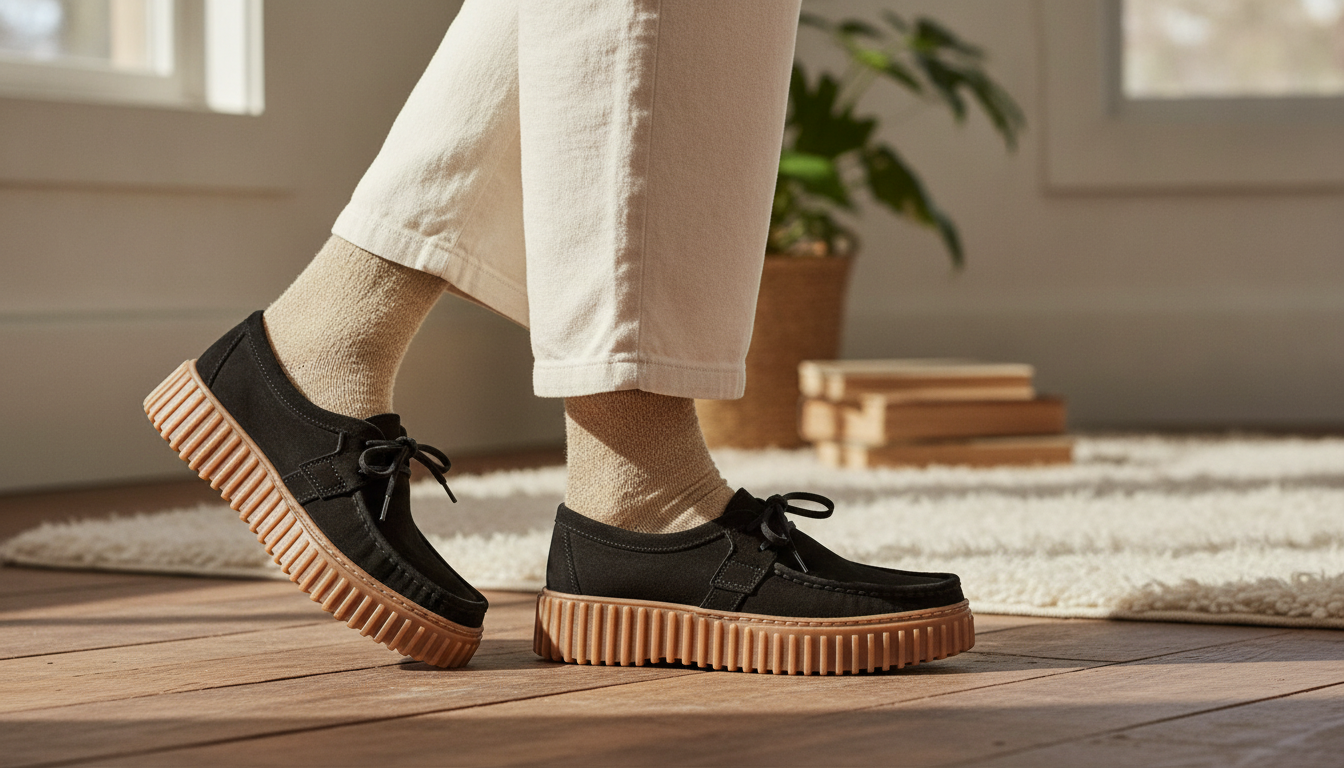
If part of your wind-down includes a short evening walk (especially earlier in the day) or simply setting “end of day” boundaries, comfortable footwear can support a steadier routine. Options in stock include Birkenstock Women’s Lilac Buckle Sandals for easy on/off comfort and Adidas Men’s Beige Streetwear Sneakers for casual movement that helps discharge restlessness.
Clear, sleep-focused guidance on insomnia is available from the American Academy of Sleep Medicine — Insomnia.
Most people do well with 5–20 minutes, and shorter is often better when you’re building the habit. Consistency matters more than duration, so pick a length you can repeat nightly without effort.
Use it as a menu: choose 3–10 steps and repeat the same small loop (one release cue + one breath style + one anchor). Skipping steps is part of the design—aim for soothing, not completion.
Yes—use a brief reset routine with low light, minimal movement, slow exhale breathing, and a short body scan, and avoid checking the time. If awakenings are frequent, severe, or paired with breathing symptoms, consider professional support.










Leave a comment