HomeBlogBlogClarks Women’s Black Leather Suede Moccasins: Fit & Care

Clarks Women’s Black Leather Suede Moccasins: Fit & Care

Clarks Women’s Black Leather Suede Moccasins: Fit & Care

Clarks Women’s Black Leather Suede Moccasins: Everyday Comfort with a Polished Finish

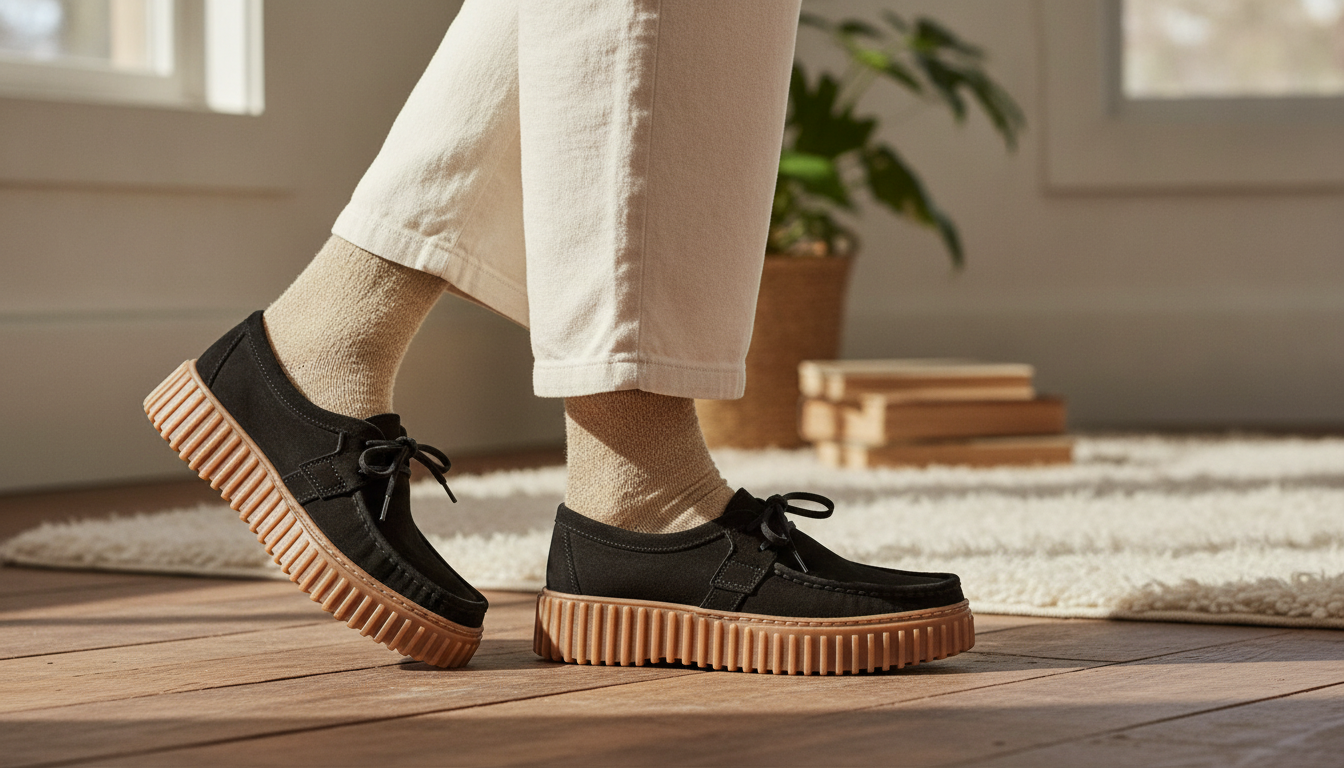
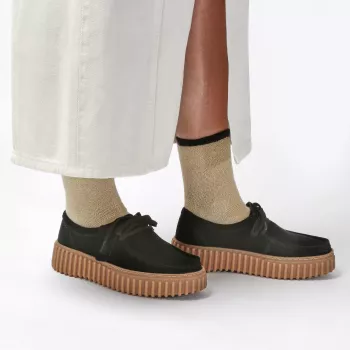
Clarks women’s leather suede moccasins are designed for easy slip-on wear, a soft feel against the foot, and a clean silhouette that works for errands, commuting, or casual office days. This guide breaks down materials, comfort factors, fit notes, care tips, and outfit pairings to help set expectations before buying and to keep the shoes looking their best.

What Makes These Moccasins Different

  • Slip-on moccasin style that prioritizes convenience and a relaxed look—ideal for quick on-and-off moments.
  • Leather and suede combination creates a refined texture mix while staying easygoing enough for everyday outfits.
  • Black colorway pairs naturally with neutral wardrobes and dress-casual looks, making it a reliable “grab-and-go” option.
  • Low-profile design tends to feel less bulky than many sneakers or chunkier loafers, especially under slim or ankle-length pants.

If you’re ready to browse the current listing, see Clarks Women’s Black Leather Suede Moccasins.

Materials and Build Quality to Look For

With mixed-material uppers, performance and longevity depend on how each surface is used and finished. A quick at-home inspection when the shoes arrive can help confirm you’re keeping a pair that will wear well.

  • Leather sections typically add structure and durability in high-wear areas, helping the shoe keep its shape.
  • Suede sections add softness and visual depth, but they need different care than smooth leather to avoid water marks and flattened nap.
  • Inspect stitching around the toe box and along the vamp; tight, even stitches usually hold up better with repeated flexing.
  • Check the collar and topline for padding or soft edging to reduce rubbing during break-in.
  • Look for a stable outsole with enough grip for smooth floors and light outdoor use (sidewalks, parking lots, short walks).

For general guidance on fit, foot comfort, and what to look for in footwear construction, the American Podiatric Medical Association (APMA) is a helpful reference point.

Comfort Factors: Cushioning, Flex, and Support

Slip-on moccasins can feel “easy” on day one, but long-term comfort usually comes down to cushioning, flex, and heel security. Small differences in these areas can change how the shoes feel after a few hours.

  • A flexible forefoot can make walking feel more natural, especially for quick daily wear and frequent stop-and-go movement.
  • Cushioned insoles help reduce foot fatigue during longer days, particularly on harder indoor surfaces.
  • Heel stability matters for slip-ons; a secure heel cup reduces slipping and the hot spots that can come from repeated friction.
  • If arch support is minimal, consider adding a thin comfort insole (making sure it doesn’t make the fit too tight at the instep).
  • Socks can change fit feel; no-show socks may reduce friction without adding bulk or changing the look.

Fit and Sizing Notes for Slip-On Moccasins

Because moccasins are meant to slip on easily, the best fit is often “secure” rather than “loose.” A little initial snugness can be normal, especially with leather that relaxes over time, but there shouldn’t be pinching or sharp pressure.

  • Expect a snug-but-not-tight fit at first; many leather uppers relax slightly with wear.
  • Toe room should allow light wiggle space without the foot sliding forward as you walk.
  • If between sizes, choose based on common issues: heel slip often improves with a slightly smaller fit, while tight instep pressure may require sizing up.
  • Wide feet may feel pressure across the forefoot; prioritize comfort over a “perfectly sleek” look.
  • Plan for intended use: bare foot vs. socks, short walks vs. all-day wear.

Quick Comfort Checklist Before Keeping the Pair

Checkpoint What to feel for Quick fix if needed
Heel hold Minimal lift when walking Try a heel grip or slightly thicker sock
Instep pressure No sharp tightness across the top of the foot Loosen by short wear sessions; size up if persistent
Toe room Toes not pressed against the front Size up or choose a roomier width
Arch comfort No aching through midfoot after 30–60 minutes Add a thin supportive insole
Edge rubbing No hot spots at collar seams No-show socks; targeted softening with conditioner (leather areas)

Styling Ideas: Casual to Dress-Casual

If you’re building a small rotation, you can also check out Birkenstock Women’s Lilac Buckle Sandals for warm days and Adidas Men’s Beige Streetwear Sneakers for more athletic, streetwear-leaning outfits.

Care and Cleaning for Leather + Suede

For deeper background on leather behavior and maintenance, the Leather Research Laboratory (University of Cincinnati) provides useful general information.

When These Moccasins Are the Right Choice (and When They Aren’t)

Available Now

FAQ

How do leather and suede moccasins handle light rain?

They’re generally fine for brief, light exposure, but suede is more prone to water spotting. Use a suede-safe protector spray, blot moisture quickly, air-dry away from heat, and brush afterward to restore the nap; for heavy rain, a more weather-ready shoe is a safer choice.

Do moccasins stretch over time?

Leather commonly relaxes slightly with wear, especially in width, so a comfortably snug fit at first often becomes more forgiving. Avoid starting with sharp pressure at the instep, since that area may not stretch enough to become truly comfortable.

Can supportive insoles be used with slip-on moccasins?

Yes, as long as the shoe has enough volume to accommodate them without crowding your toes or lifting your heel. Thin insoles usually work best; after inserting, re-check heel slip and collar rubbing during a short indoor wear test.
Was this article helpful?

Yes No
Leave a comment
Top

Shopping cart

×