
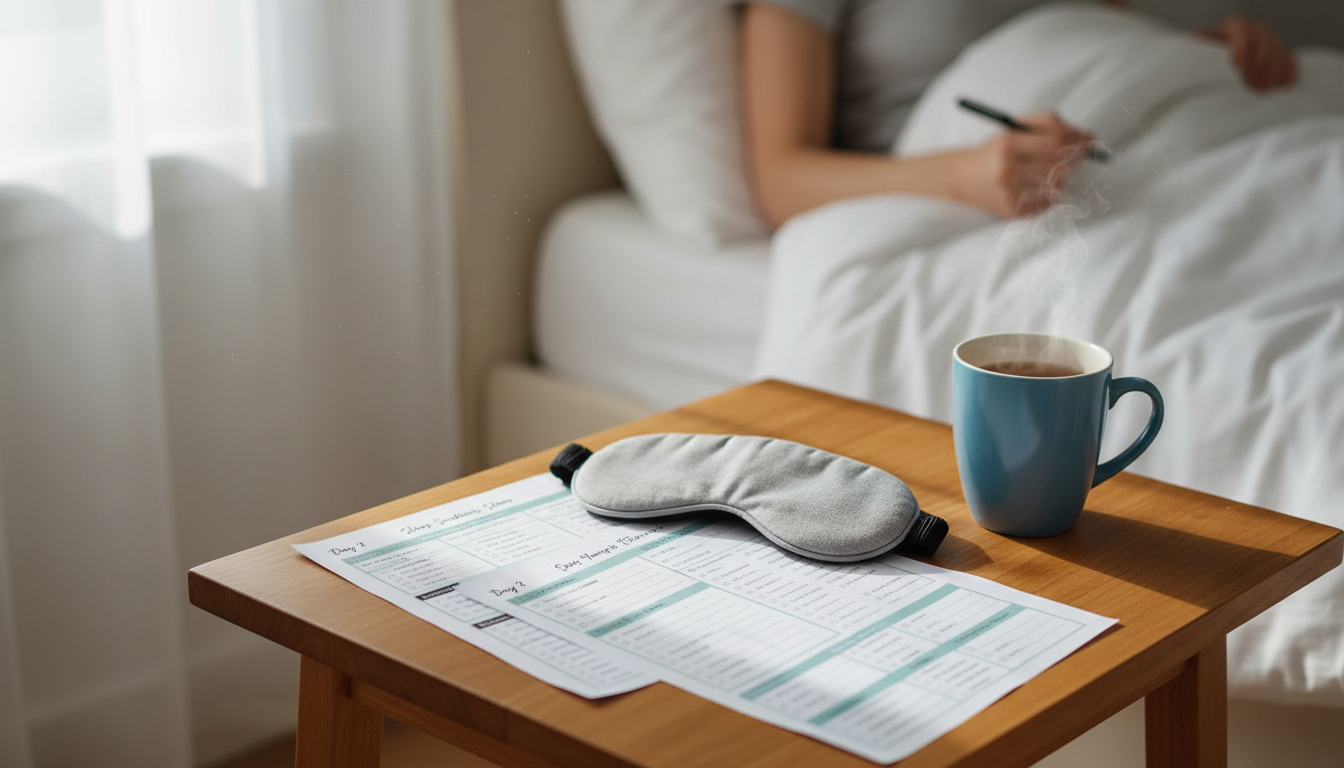
Snoring can disrupt sleep quality for the person snoring and anyone nearby, and it can sometimes point to breathing issues that deserve attention. A simple checklist approach helps turn scattered tips into a consistent routine: identify likely triggers, test practical changes in a logical order, and track what actually works. This printable digital guide is designed to be used night-by-night, with clear steps to try, space to record results, and reminders for when it’s time to seek medical input.
Most snoring advice fails for one reason: it’s inconsistent. One night you try a new pillow, the next night you forget, and by the weekend you’re guessing what helped (if anything). A checklist turns trial-and-error into a repeatable bedtime plan you can actually stick to.
The format matters: quick checkboxes when you’re tired, and just enough structure to spot trends over a week or two. The Snoring Solutions Checklist for Better Sleep (Printable Digital Download) is built to be used either printed at home or on a tablet.
If you want the fastest feedback, start with adjustments that can make an immediate difference—especially when snoring is driven by back-sleeping, congestion, or dry air. Keep it simple: pick one change for tonight, then track what you notice in the morning.
| Possible trigger | What it can do | Checklist action to try tonight | What to track tomorrow |
|---|---|---|---|
| Back sleeping | Can narrow the airway and increase vibration | Prop behind the back or use side-sleep pillow positioning | Partner report or snore app score; how often woke up |
| Nasal congestion | Increases mouth breathing and turbulence | Saline rinse/steam; elevate head slightly | Nasal openness; dry mouth; morning headache |
| Alcohol near bedtime | Relaxes throat muscles and worsens snoring | Stop alcohol 3–4 hours before sleep | Snoring loudness; sleep continuity |
| Dry air | Irritates airway and increases vibration | Humidify room to a comfortable level | Sore throat; nighttime coughing |
| Irregular sleep schedule | Can increase deep sleep pressure and snoring | Set a consistent bedtime/wake time | Daytime sleepiness; perceived sleep quality |
Snoring is often a “stack” of factors. The quickest way to identify your biggest lever is a short experiment where you keep most things steady and change one variable at a time.
At the end of the week, your notes should point to a dominant category—positional, nasal, lifestyle-related—or show that symptoms persist despite changes.
Snoring can be a sign of sleep-disordered breathing for some people. Consider a medical discussion if there are pauses in breathing, choking/gasping, or loud snoring most nights. Morning headaches, significant daytime sleepiness, and high blood pressure can also be associated with breathing-related sleep issues. For helpful background, see the Mayo Clinic overview on snoring and the American Academy of Sleep Medicine sleep apnea fact sheet.
Yes—nightly snoring can improve with position changes, congestion relief, and lifestyle adjustments, especially when you test them consistently. If loud snoring is persistent or comes with gasping, pauses in breathing, or marked daytime sleepiness, it’s important to seek medical evaluation; your checklist log can help support that conversation.
Some changes can help the first night, such as side sleeping, avoiding alcohol close to bedtime, addressing congestion, or improving bedroom humidity. Other factors can take weeks to show clearer improvement, and tracking helps confirm whether a change truly worked.
No. It’s a self-management and tracking tool, not a diagnosis or treatment, and it’s designed to help you notice patterns and recognize when symptoms warrant professional evaluation.












Leave a comment