Calm Within Reach: A Practical Mindfulness Workbook for Lasting Stress Relief
Stress can feel endless when the mind stays on high alert. A structured mindfulness workbook turns calming practices into repeatable habits—short exercises, guided reflections, and simple routines that fit real schedules. Calm Within Reach is designed to help build steadier attention, ease tension in the body, and create a reliable reset you can return to daily.
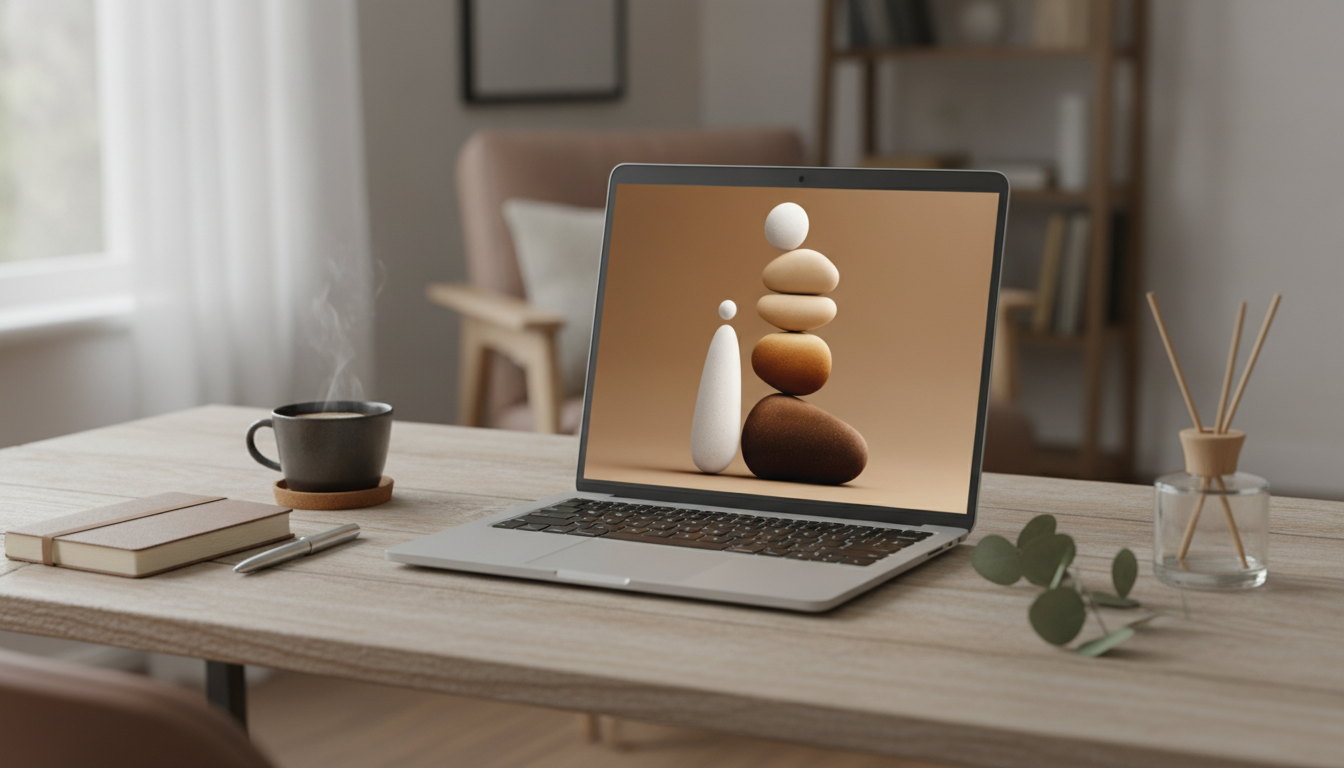
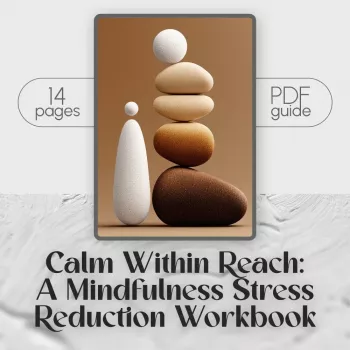
If you’re looking for a guided, low-pressure way to practice, Calm Within Reach: A Mindfulness Stress Reduction Workbook is a practical option that focuses on consistency over intensity—so the tools stay usable on busy days, not just perfect ones.
What this workbook is designed to help with
- Reduce day-to-day overwhelm by practicing brief, repeatable mindfulness skills
- Build awareness of stress signals (thought patterns, body sensations, emotional triggers) before they escalate
- Create consistent calming routines that work at home, at work, and on the go
- Strengthen emotional regulation through guided reflections and self-checks
- Support better sleep and recovery by learning downshift cues and evening wind-down practices
Mindfulness doesn’t erase pressure, deadlines, or difficult conversations. It builds the ability to notice what’s happening sooner—then respond with a little more space, steadiness, and choice.
How mindfulness stress reduction works (in plain language)
- Attention training: returning to a chosen focus (breath, sound, body sensations) strengthens the ability to disengage from spirals
- Nervous-system settling: slower breathing and body scanning can shift the body from fight-or-flight toward rest-and-digest
- Thought defusion: noticing thoughts as events in the mind—rather than facts—reduces reactivity
- Values-based choices: reflective prompts help align actions with what matters, even when stress is present
- Practice over perfection: short, frequent sessions tend to build skill more reliably than occasional long sessions
For a deeper overview of how mindfulness is commonly used for stress and overall well-being, these references are helpful: American Psychological Association, NCCIH, and Mayo Clinic.
Inside the Calm Within Reach approach
- Step-by-step exercises that translate mindfulness into daily micro-practices
- Journaling prompts that connect stress triggers to thoughts, emotions, and body sensations
- Grounding techniques for moments of acute stress (before meetings, during conflict, after a tough day)
- Progress check-ins that help track patterns and reinforce what’s working
- A gentle structure suited for beginners while still useful for experienced meditators who want consistency
Quick practices and when to use them
| Practice |
Best moment to use it |
Time needed |
What it supports |
| One-minute breath reset |
Before responding to stress |
1 minute |
Pausing, clarity, impulse control |
| Body scan check-in |
When tension builds silently |
3–10 minutes |
Muscle release, noticing signals early |
| Five-senses grounding |
When anxiety spikes |
2–5 minutes |
Stability, present-moment orientation |
| Mindful journaling prompt |
After a stressful event |
5–15 minutes |
Processing, reframing, self-compassion |
| Evening wind-down routine |
Before sleep |
5–20 minutes |
Downshifting, sleep readiness |
A simple 2-week routine to make the practices stick
- Days 1–3: Choose one anchor practice (breath or senses) and do it at the same time each day
- Days 4–6: Add a short body scan on one high-stress day and note where tension gathers
- Days 7–10: Use a reflection prompt after a stressful moment to identify trigger → thought → feeling → action
- Days 11–14: Build a “calm plan” with two go-to practices—one for daytime stress, one for evenings
- Keep it realistic: aim for consistency, not intensity; missed days are data, not failure
One of the most effective ways to keep mindfulness practical is to decide ahead of time what “counts.” If the day is packed, your minimum can be one minute. If you have room, you can extend the same practice—without switching to something more complicated.
Who this workbook fits best
- Busy schedules: anyone who needs short exercises that can be done in minutes
- Overthinkers: readers who want tools to interrupt worry loops and rumination
- High-responsibility roles: caregivers, students, professionals, and entrepreneurs needing frequent resets
- People who prefer structure: guided prompts and check-ins over open-ended meditation
- Anyone wanting a gentle starting point: no special equipment or prior experience required
Using the workbook alongside other calming tools
- Pair a brief mindfulness exercise with a checklist-based routine when decision fatigue is high
- Use a calming audio track or hypnosis-style relaxation as a bridge into mindfulness practice
- Keep one “emergency calm” technique ready for acute stress, and one reflective practice for later processing
- If stress is persistent, consider combining self-guided tools with support from a licensed mental health professional
For an extra layer of structure on days when your brain feels scattered, The Relaxation Hypnosis Checklist for Clarity can work well as a short pre-practice routine—helping you settle enough to do a breath reset, grounding, or a quick journal prompt.
Price and availability
- Calm Within Reach is available now for $8.99 (USD)
- A low-cost, structured option for readers who want guided mindfulness practice without a subscription
FAQ
How long should a daily mindfulness practice be to reduce stress?
Consistency matters more than duration. Starting with 1–10 minutes a day is enough to build the habit, and you can scale up gradually as it becomes easier to return to the practice.
Is a mindfulness workbook helpful if meditation feels hard or distracting?
Yes—workbooks add structure through prompts and short exercises that guide your attention and normalize mind-wandering. If sitting still feels frustrating, grounding exercises and body scans can be easier entry points than longer meditations.
Can mindfulness help with sleep when stress is keeping the mind active?
It can help by reducing mental load and cueing the body to downshift through slower breathing, body scans, and a brief wind-down routine. For chronic insomnia or severe anxiety, it’s also wise to seek guidance from a qualified healthcare professional.
Recommended for you










Leave a comment