
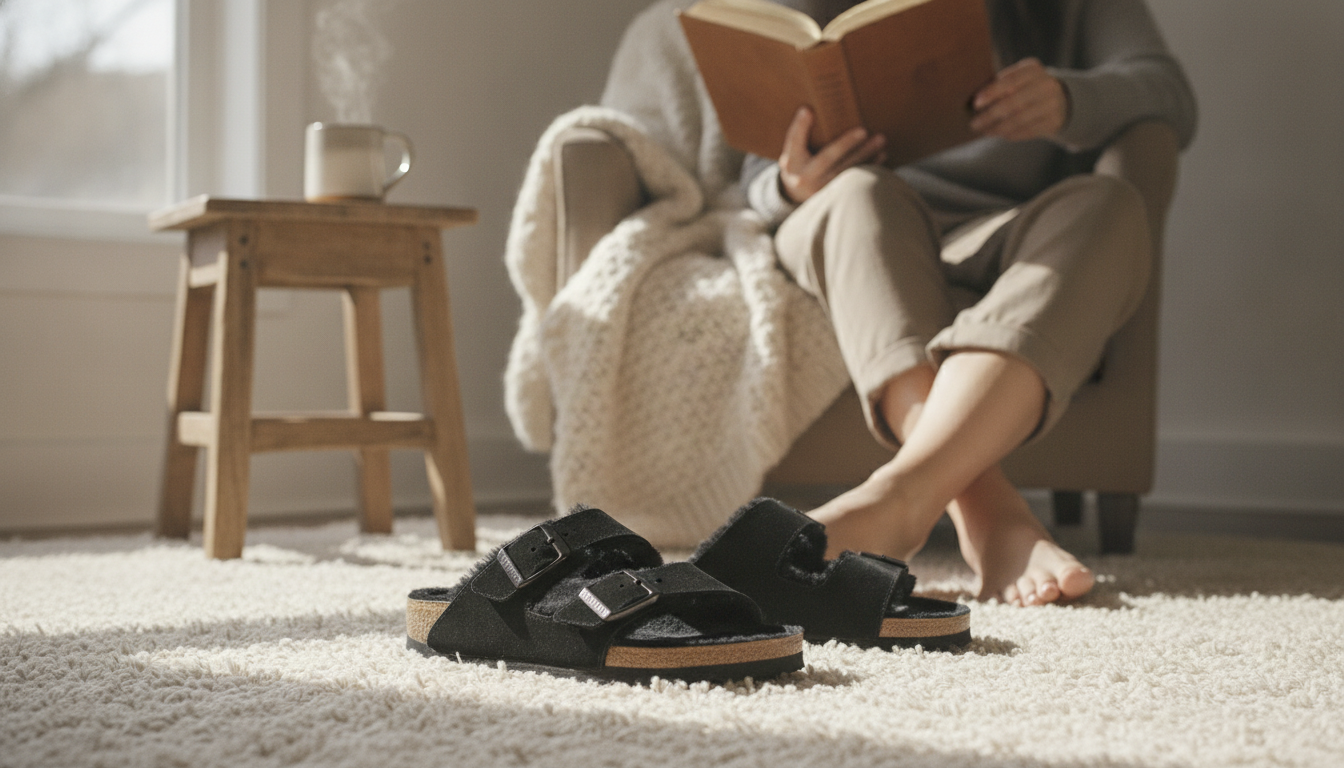
Birkenstock women’s slippers are known for combining a structured, contoured footbed with cozy uppers—an appealing mix for anyone who wants indoor comfort without sacrificing stability. Unlike ultra-soft house shoes that can feel “pillowy” but tiring over long periods, a more supportive base can feel better during everyday at-home routines like cooking, tidying up, or working at a standing desk. The key is choosing the right fit, material, and outsole for how they’ll be used—whether that’s strictly indoors or for quick steps outside.
Many slippers focus on softness first. Birkenstock-style construction tends to prioritize shape and structure first, then comfort as the materials mold to the foot over time.
For general foot health considerations, resources from the American Podiatric Medical Association (APMA) and guidance on supportive footwear from the Cleveland Clinic can be helpful reference points when comparing shoe types and levels of support.
A supportive slipper only feels supportive when it fits correctly. Too small can create pressure points; too large can feel unstable and lead to tripping or shuffling—especially on stairs or slick floors.
| Fit area | Good sign | Adjust if you notice |
|---|---|---|
| Heel | Stays centered with light lift | Heel slipping or sliding sideways |
| Toes | Small gap at the front edge | Toes touching or hanging over |
| Arch | Support feels present but not sharp | Pinching pressure or numbness |
| Upper | Holds foot without hot spots | Red marks or rubbing after short wear |
Material choice affects warmth, breathability, and how the slipper fits over time. It also impacts how “indoor-only” the pair feels.
For practical tips on slip reduction and safe walking on common surfaces, the NIOSH slips, trips, and falls resources offer useful context on why traction and stable footing matter—especially in busy households.
Structured slippers often feel better after a short adjustment period. Instead of expecting instant “cloud softness,” it helps to treat the first few wears as a transition.
| Use case | Slippers | Boots |
|---|---|---|
| All-day indoors | Comfortable and easy to slip on | May feel heavy or warm indoors |
| Cold, wet weather | Limited protection | Better insulation and weather resistance |
| Quick errands | Convenient for short trips | More secure for longer walks |
| Support needs | Support varies by footbed design | Support depends on insole and construction |
Birkenstock Women’s Slippers are a supportive, structured option designed for comfort at home and easy slip-on wear. They’re a strong match for anyone who prefers a stable footbed rather than an ultra-plush feel—especially during standing-heavy routines like cooking, cleaning, or moving around a home office.
For outdoor-focused days (or when weather protection is needed), pairing indoor slippers with a durable boot can round out a comfort-first wardrobe. Consider Dr. Martens Women’s Black Leather Ankle Boots with Rubber Sole for a more secure, street-ready option that’s better suited to extended walking and damp conditions.
Yes—many people notice the contoured footbed feels firm at first. Start with short wear sessions and increase time gradually; if a pressure point doesn’t improve after about a week, sizing or width is likely the issue.
Some pairs handle brief errands well, depending on the outsole grip and upper durability. Avoid heavy rain and repeated wet exposure, and prioritize sturdier soles if outdoor use is frequent.
Aim for secure rather than tight: minimal heel slip, no side-to-side sliding, and a little toe room in front. Lined versions can feel snugger, and socks can change the fit significantly.







Leave a comment