
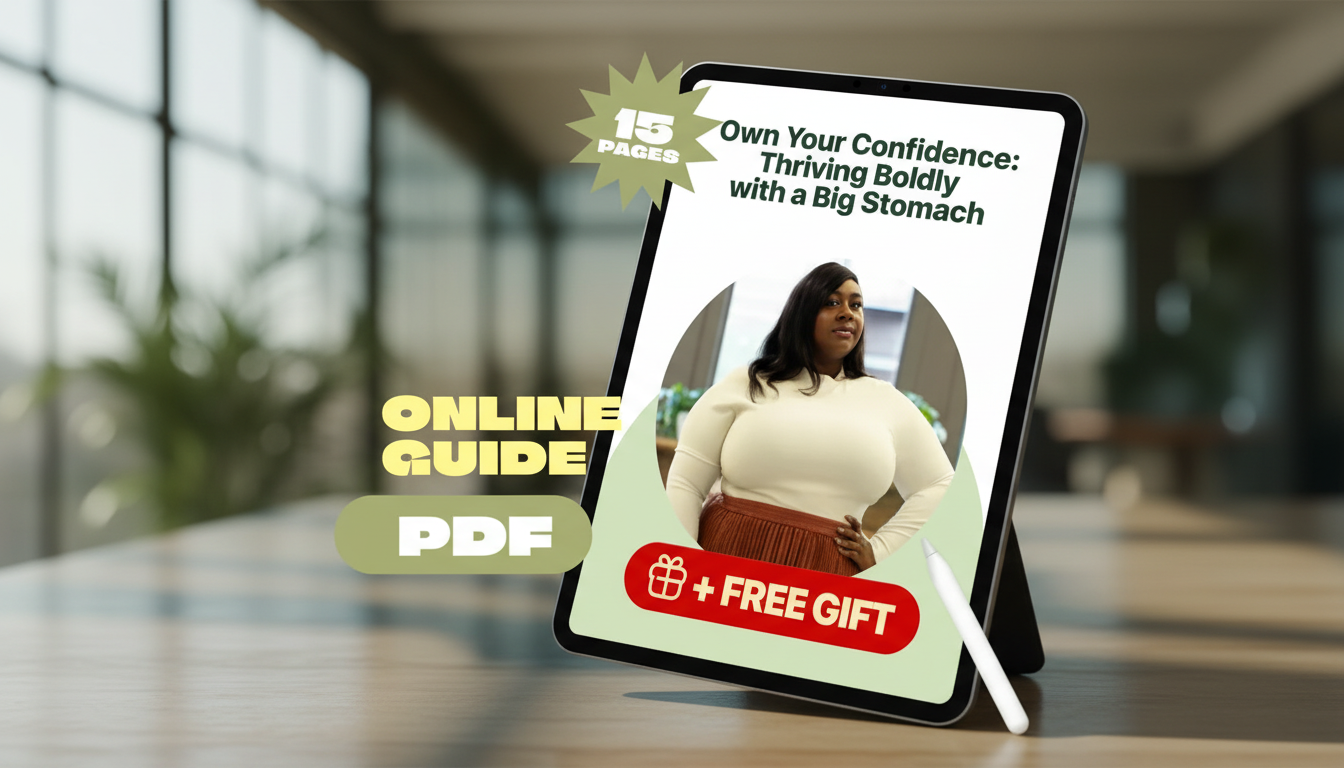
Confidence with a big stomach isn’t about hiding, shrinking, or waiting for a “someday” body. It’s a set of skills: calming the inner critic, choosing clothes that feel good, setting boundaries, and practicing self-respect in everyday moments. This guide offers practical, body-positive steps to feel comfortable in your skin, show up fully, and build self-love that lasts—starting right where you are.
Confidence doesn’t require a flat stomach or a perfect mood. It can be quiet and steady—especially on days when your midsection feels more noticeable to you.
If body image spirals feel intense or persistent, reputable mental-health resources on body image can help add clarity and support, including the American Psychological Association and NEDA.
Many “style rules” are really shame rules in disguise. They’re often learned early, repeated often, and treated like facts—until you question them.
Confidence often begins as a nervous-system shift, not a mindset lecture. When you feel exposed or self-conscious, start small and physical.
Self-compassion is strongly linked with well-being and resilience; if you want a science-grounded overview, Harvard Health Publishing has a clear primer on the power of self-compassion.
Clothing can either fuel body-checking or free up your attention for living. The goal isn’t “conceal,” it’s “support.”
| Item or detail | Comfort check | Confidence boost | Simple upgrade |
|---|---|---|---|
| Waistband (pants/skirt) | No digging when sitting | Less adjusting, more presence | Try a wider waistband or softer knit |
| Top length and drape | Doesn’t ride up; breathable | Feels intentional rather than “covering” | Add a half-tuck or layered necklace |
| Dress or jumpsuit fit | Room to move and eat comfortably | One-piece ease; fewer “fit points” | Add a belt only if it feels good |
| Shoes and posture | Stable, walkable, no pain | Grounded stance; taller posture | Choose a supportive sole or ankle support |
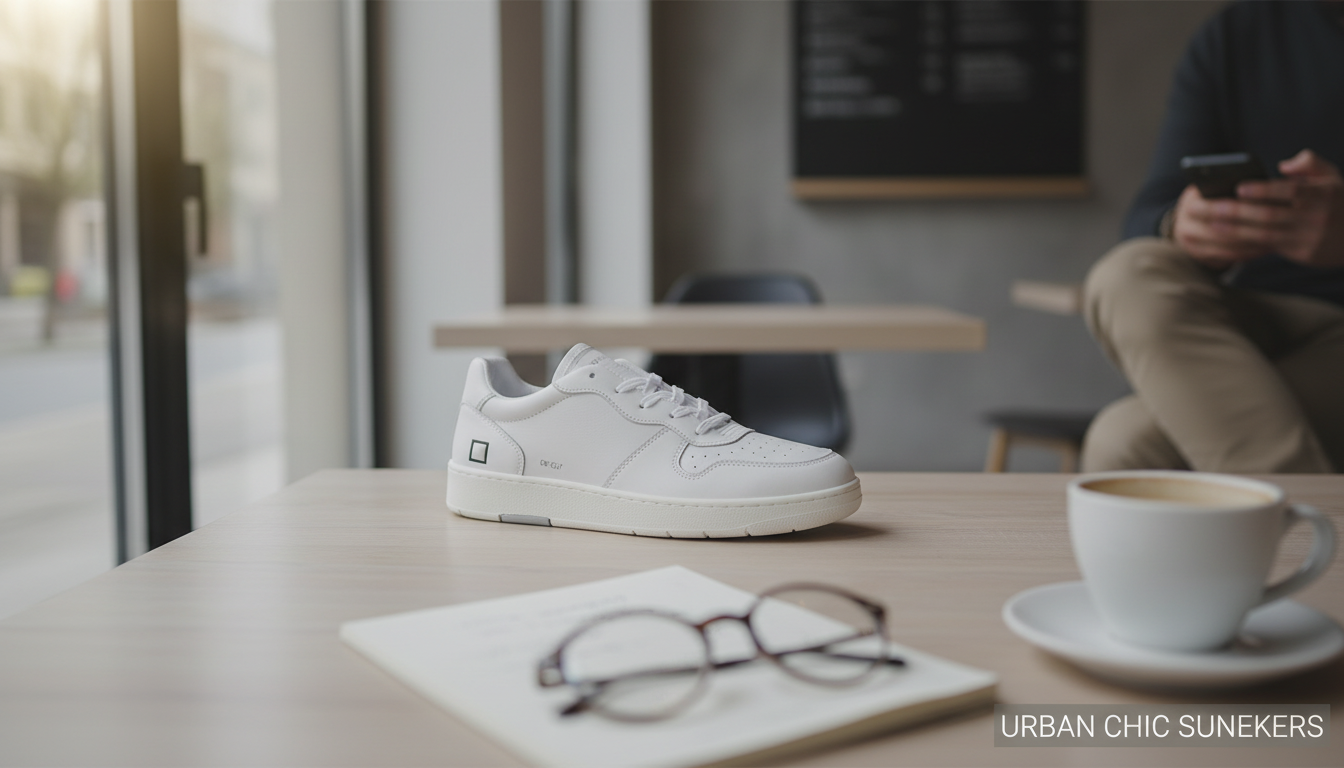
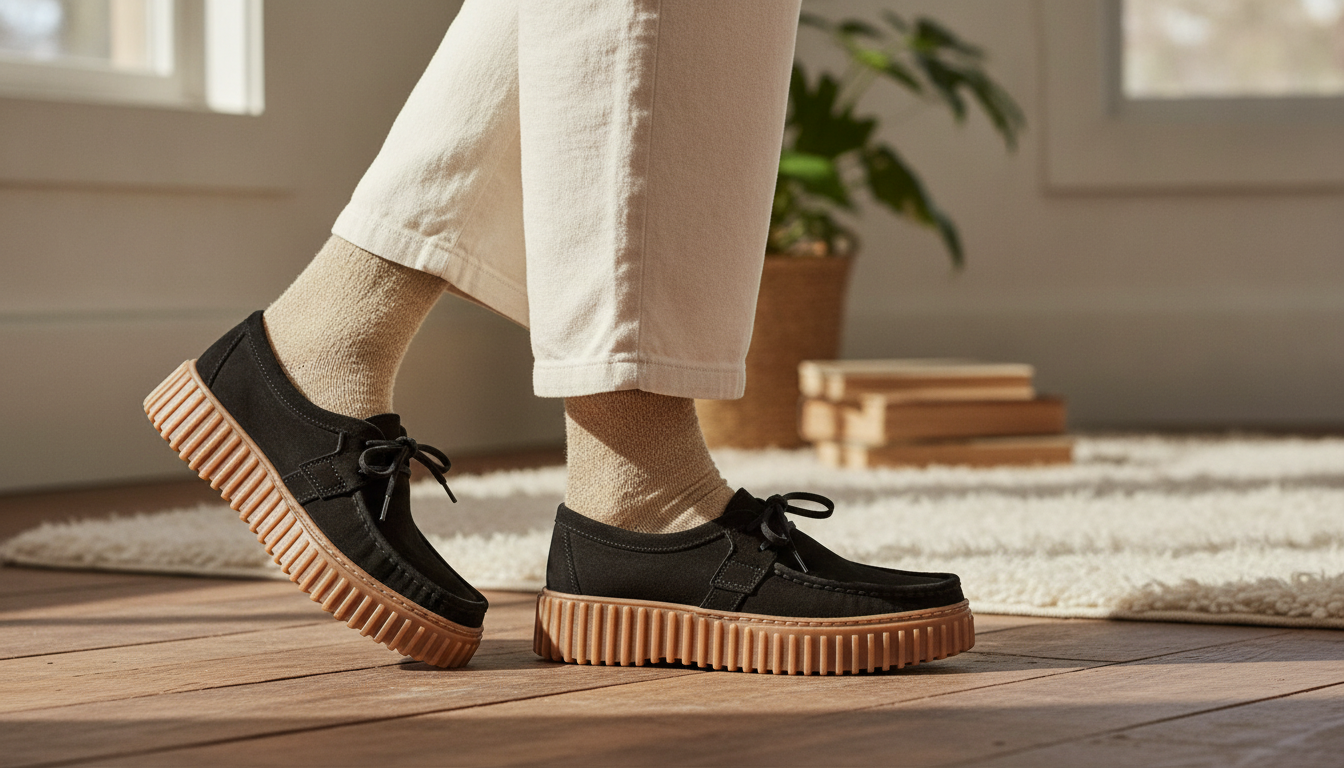
If you want a grounding “anchor” item that supports posture and presence, comfortable, stable footwear can help you feel planted during long days. Consider Dr. Martens Women’s Black Leather Ankle Boots with Rubber Sole for a structured, walkable option that pairs easily with dresses, wide-leg pants, or straight denim.
| Practice | When | Time | What it strengthens |
|---|---|---|---|
| Long exhale breathing (4 rounds) | Before getting dressed | 2 minutes | Nervous system calm |
| Mirror neutrality (no fixing) | After shower | 1 minute | Body tolerance |
| Outfit “comfort scan” | Before leaving home | 30 seconds | Less adjusting, more presence |
| One boundary line rehearsal | Before social plans | 1 minute | Confidence in conversations |
| Write 3 non-appearance wins | Evening | 3 minutes | Self-respect and momentum |
For a structured, practical approach, explore Own Your Confidence: Thriving Boldly with a Big Stomach – Body Positivity Guide.
Confidence is a skill set: regulate your body with breathing, use neutral self-talk, wear clothes that feel good when sitting and eating, and set boundaries around comments. When positivity feels out of reach, body neutrality (“this is just my body today”) keeps you grounded without forcing fake enthusiasm.
Try a firm boundary (“I’m not discussing my body”), a redirect (“Let’s talk about something else”), or a polite close (“I’m focusing on feeling good right now”). If they persist, repeat the same line—repetition teaches people what access they have.
High-waisted styles can feel supportive for some people, but if they roll, pinch, or limit your breathing, they often increase body monitoring. The best choice is the one that feels comfortable when you sit, exhale, and eat—confidence usually follows comfort.










Leave a comment